Tag: business

  • De-escalation

    De-escalation

    Weapon Wisdom • De-escalation & Workplace Safety

    HR Tampa, Bill, and Why We Train

    Oct 3  ·  Written by Jamie Anderson

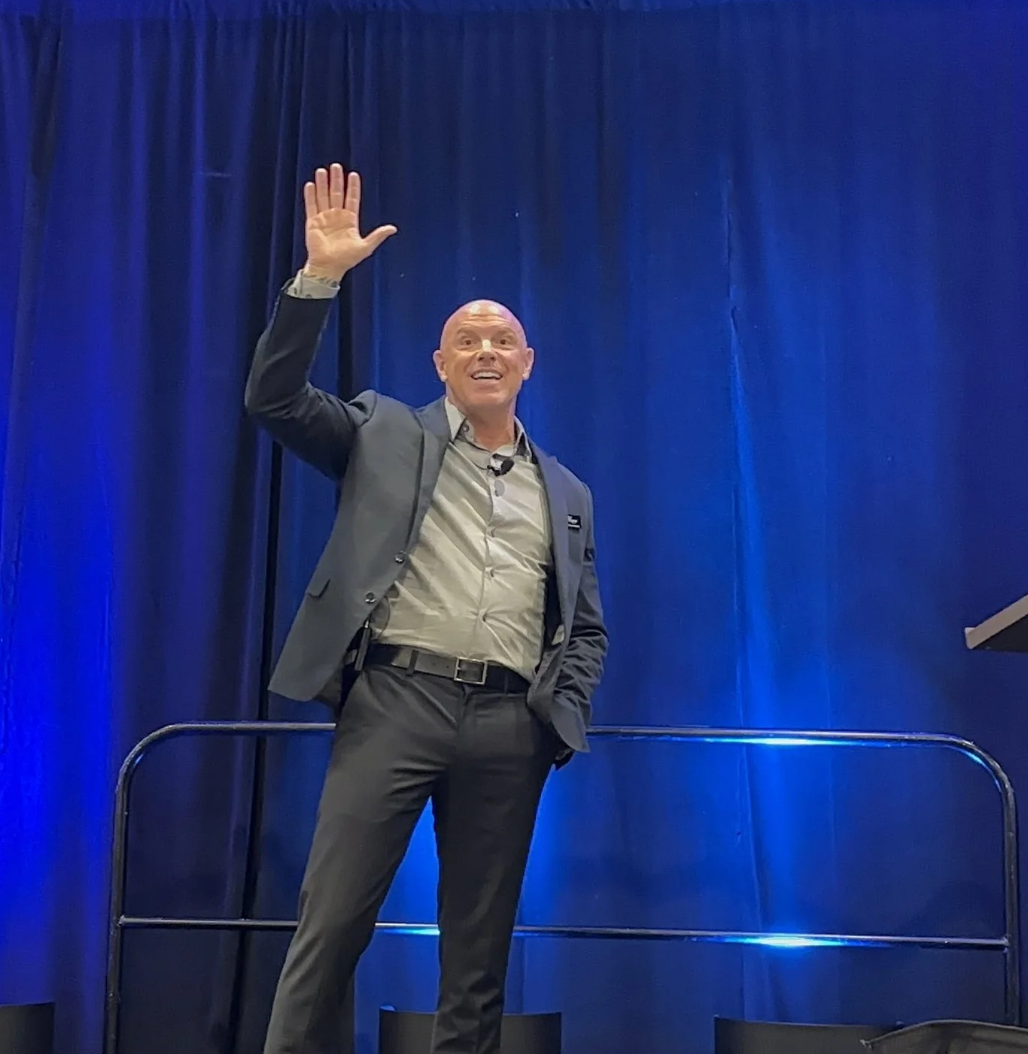
    I walked into the HR Tampa Conference feeling the temperature of the world on everyone’s shoulders. Headlines. Tension. People a little quicker to snap. Then Brian took the mic for Mastering the Art of De-Escalation & Conflict Avoidance, and you could feel the room exhale. Not because the topic was soft—but because it was useful. We didn’t talk theory; we walked through the messy, human moments: the employee who won’t back down, the customer who’s already heated, the meeting that’s sliding off the rails.

    Afterward, folks lined up with real stories. “Here’s what happened last week—what would you do?” We stayed late, mapping language choices, distance, posture, exits, and follow-ups. It reminded me why we teach this: when people know what to do, they feel safer—and when they feel safer, they perform better. That’s not fluff; that’s operational reality.

    We’re hosting a follow-up Q&A on October 8, 2025 via Zoom. If you want the link or a calendar invite, drop us an email at info@weaponbrand.com . Bring your sticky situations. We’ll work them.

    That evening, we lost someone who lived our philosophy louder than most. Bill Cummins, Brian’s stepdad, finished a five-year fight with cancer at 54. Bill wore his Weapon Brand T-shirt to chemo, to errands, to everywhere—because “Be Your OWN Weapon” wasn’t a slogan to him. It was a mindset: whatever you’re up against—a predator, a bully, illness, stress—you build skills, choose your stance, and take the next right step.

    When Bill passed, we did the only thing that makes sense after a loss like that: we checked on Brian’s mom. We lifted where we could. And we recommitted to teaching the skills that make hard days survivable— at home and at work.

    That’s the bridge between HR Tampa and Bill.

    De-escalation isn’t about being passive; it’s about being prepared. In chemo rooms and conference rooms, the same principles keep people safe: awareness, language, boundaries, and practiced responses. Your team doesn’t need a perfect script—they need muscle memory. You can’t go where your mind has never been, so we take people there first: in training, not in crisis.

    What this looks like inside a company

    • De-escalation training for employees and leaders: calm communication, boundary setting, and conflict resolution that cuts incidents before they spike.
    • Workplace violence prevention & response: early-warning cues, safe positioning, exit options, and post-incident protocols that protect people and reduce liability.
    • Corporate safety & wellness programs: threat awareness, psychological safety, self-defense (to keep them safe on and off the clock), and short, repeatable drills that build confidence and reduce burnout.
    • Manager playbooks + role-plays: real scenarios, the actual words, and reps until it sticks.

    The results are practical: fewer workers’ comp claims, fewer terminations, fewer HR fires, better retention, more focus. When people feel safe, they do better work. It’s that simple.

    So yes—the world feels loud right now. But there’s no better moment to give your people tools that travel with them—tools they can use at the register, on the jobsite, in the boardroom, and at home with the people they love.

    We’re dedicating this season of training to Bill. He showed us what it means to fight with clarity and heart. We’ll keep showing up for our clients the same way—and for Brian’s mom, too—because community is part of safety, and if you’re reading this, we welcome YOU to the Weapon Brand community.

    If you want help, we’re here. Onsite or virtual. Short workshops or full programs. Follow-up Q&A, too. Next step: ask for the October 8 Zoom link, or book a discovery call . And wherever you are, remember: ALWAYS Be Your OWN Weapon.

    Written by Jamie Anderson

  • Workplace Safety

    Workplace Safety

    Weapon Wisdom • Workplace Safety

    When Safety Gets Real: How One County Is Leading the Way in Employee Protection

    Jun 24  ·  Written by Jamie Anderson

    What if one phone call could change the way you think about safety—at work and at home?

    That’s exactly what happened to Brian Anderson-Needham, co-founder of Weapon Brand. He was hours away on a work trip when he received a chilling whisper from his wife at the time: “I think someone’s in the house.”

    She hadn’t called 911. She called Brian. She was frozen.

    Later, they learned their home had once belonged to a drug dealer—and no one had ever changed the locks. Someone still had a key. It could’ve ended in tragedy. Instead, it became the reason Brian dedicated his life to making sure no one else feels that helpless again.

    That mission is now at the core of Weapon Brand’s work—and the guiding force behind an 8-part personal safety series for Pinellas County employees. These trainings are anything but theoretical. They’re interactive, deeply personal, and built on lived experience. We aren’t teaching fear—we’re building preparedness.

    What Makes This Training Different

    Let’s be honest: most Zoom trainings feel forgettable, compliance-driven, and disconnected from real life. Weapon Brand’s approach is the opposite. We teach people how safety works in the real world—with tangible, applicable skills that apply beyond the office.

    Here are the five core competencies we covered:

    1. Situational Awareness
      Small habits like walking with purpose, making eye contact, and ditching the phone near parking lots can prevent escalation before it even begins.
    2. Smart Home Security
      From reinforcing strike plates with 3-inch screws to removing pick-me-up items outside, these cost-effective changes drastically reduce the risk of unauthorized entry.
    3. Mental Rehearsal
      By visualizing threat scenarios and rehearsing responses, employees build confidence and reduce panic—even before action is required.
    4. Legal Use of Force
      Understanding when and how much force is justified keeps employees safe and legally protected. We teach the balance between de-escalation and necessary defense.
    5. Home Defense Planning
      Getting caught off guard is not a plan. We guide employees through simple, actionable steps— assigning roles, setting up safe rooms, and establishing emergency code words.

    Why It Matters for Employers, HR, and Risk Teams

    Training like this isn’t an optional extra—it’s a strategic investment in:

    • Employee wellness and confidence
    • Workplace violence prevention
    • Legal duty-of-care and liability reduction
    • OSHA, insurance, and risk management compliance
    • Team trust, retention, and culture

    When people know their safety matters, engagement transforms. Pinellas County experienced it first-hand—and so can your organization.

    What’s Next?

    We’re wrapping up the series with Virtual Self-Defense Training—real-world tactics delivered virtually, accessible to all ages and abilities.

    These aren’t quick fixes. They’re skills that last.

    Ready to bring real-world safety training to your employees or agency?
    Let’s make it happen → WeaponBrand.com

    — Jamie Anderson

  • Risk in the workplace

    Risk in the workplace

    Weapon Wisdom • Workplace Safety

    What Risk Really Looks Like in the Workplace

    By Jamie Anderson

    A friend of mine works for a large health insurance company. For months she kept saying, “We really need some training for our staff.” Not another check-the-box compliance module — but real training that helps people feel safe at work and confident in themselves.

    Her team was under a lot of pressure. Generational and cultural differences were creating daily friction. Younger staff felt dismissed or bullied. Managers felt unheard. Stress was becoming the norm instead of the exception.

    At the end of the day, employees walked out to a shared parking lot — sometimes after dark, sometimes surrounded by people from other companies who lingered in their cars or waited for rides. Nothing obviously “wrong,” but the energy didn’t always feel safe or predictable.

    There had been an active shooter threat on campus. Domestic violence situations occasionally bled into work. Many employees were raising kids while also caring for aging parents or grandparents. They were holding so much — at home and on the job.

    That is what real workplace risk looks like. And that’s why safety training can’t just be a box you tick once a year.

    It’s not just about emergencies

    When most people hear “safety training,” they picture fire drills, active shooter protocols, or emergency response plans. Those are important — but the real value often comes from what happens long before anything reaches a crisis point.

    Effective training helps people learn how to:

    • Recognize tension and warning signs before they escalate
    • Communicate clearly when conflict starts to surface
    • Set and maintain healthy boundaries with coworkers and the public
    • Move through high-stress environments with more calm and confidence
    • Support teammates who may be carrying invisible trauma or stress

    We can’t control everything that happens around us. But we can give people tools to respond in ways that protect their safety, their dignity, and their peace of mind.

    Safety training is risk management

    On paper, what we do at Weapon Brand sits under Enterprise Risk Management: helping organizations identify, reduce, and respond to risk across their teams and locations.

    But at the human level, it’s much simpler than a spreadsheet or a policy manual. Our work is about helping people:

    • Feel safer in the spaces where they work
    • Feel more capable and prepared when something feels “off”
    • Know that leadership is investing in their wellbeing

    When people feel seen, supported, and equipped, it reduces turnover, lowers liability, and builds a culture of trust. That’s risk management you can actually feel in the hallways — not just in the reports.

    What I told my friend

    I told her, “Your staff doesn’t just need another training. They need relief. They need someone to walk in and say, ‘We see what you’re dealing with. We see how much you’re carrying. Let’s give you tools to navigate it.’”

    The risks her team faces aren’t theoretical. They show up in everyday interactions, in difficult conversations, in parking lots after dark, and in the quiet moments when no one is watching.

    If we can help people move through those moments with more confidence and calm, that’s not just “safety training.”

    That’s resilience. That’s culture change. And that’s the kind of support Weapon Brand exists to provide.

    — Jamie Anderson