Weapon Wisdom • De-escalation & Workplace Safety
HR Tampa, Bill, and Why We Train
Oct 3 · Written by Jamie Anderson
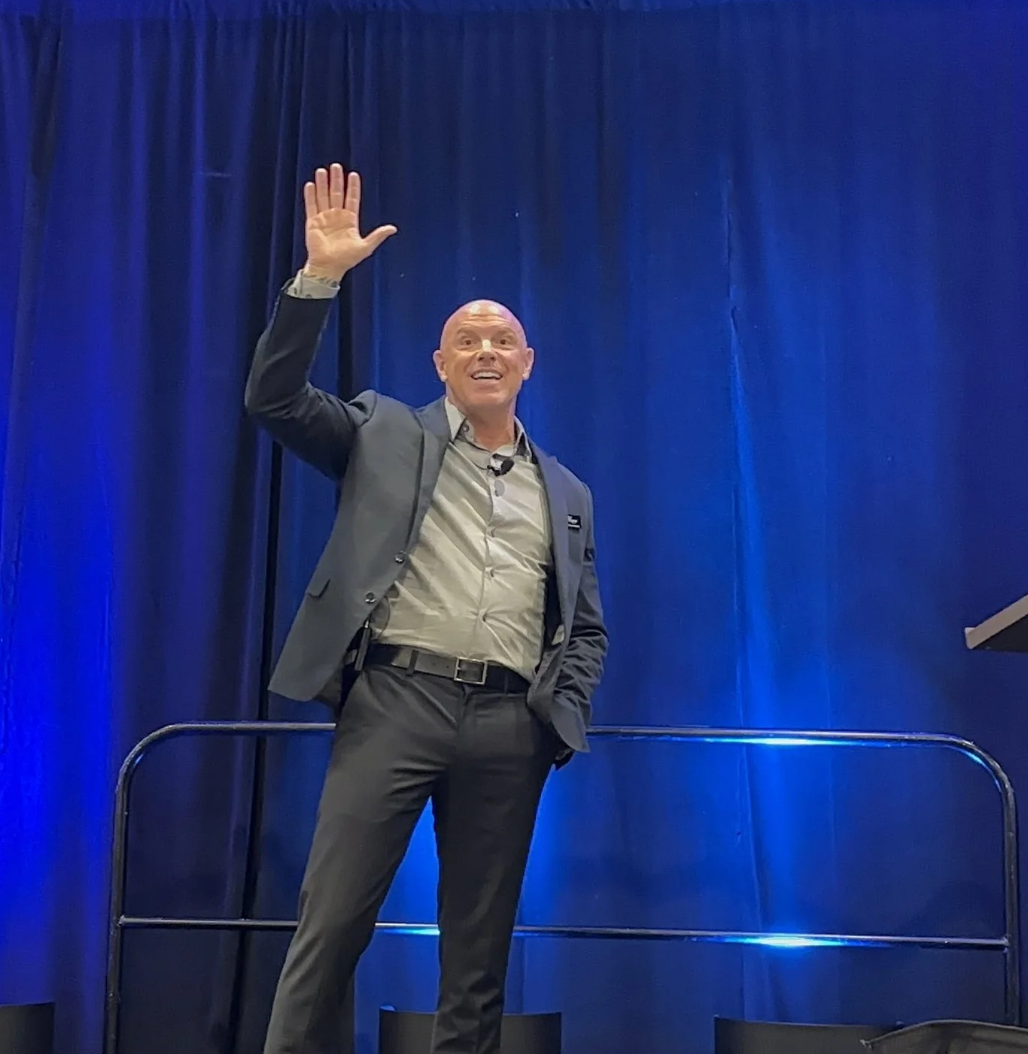
I walked into the HR Tampa Conference feeling the temperature of the world on everyone’s shoulders. Headlines. Tension. People a little quicker to snap. Then Brian took the mic for Mastering the Art of De-Escalation & Conflict Avoidance, and you could feel the room exhale. Not because the topic was soft—but because it was useful. We didn’t talk theory; we walked through the messy, human moments: the employee who won’t back down, the customer who’s already heated, the meeting that’s sliding off the rails.
Afterward, folks lined up with real stories. “Here’s what happened last week—what would you do?” We stayed late, mapping language choices, distance, posture, exits, and follow-ups. It reminded me why we teach this: when people know what to do, they feel safer—and when they feel safer, they perform better. That’s not fluff; that’s operational reality.
We’re hosting a follow-up Q&A on October 8, 2025 via Zoom. If you want the link or a calendar invite, drop us an email at info@weaponbrand.com . Bring your sticky situations. We’ll work them.
That evening, we lost someone who lived our philosophy louder than most. Bill Cummins, Brian’s stepdad, finished a five-year fight with cancer at 54. Bill wore his Weapon Brand T-shirt to chemo, to errands, to everywhere—because “Be Your OWN Weapon” wasn’t a slogan to him. It was a mindset: whatever you’re up against—a predator, a bully, illness, stress—you build skills, choose your stance, and take the next right step.
When Bill passed, we did the only thing that makes sense after a loss like that: we checked on Brian’s mom. We lifted where we could. And we recommitted to teaching the skills that make hard days survivable— at home and at work.
That’s the bridge between HR Tampa and Bill.
De-escalation isn’t about being passive; it’s about being prepared. In chemo rooms and conference rooms, the same principles keep people safe: awareness, language, boundaries, and practiced responses. Your team doesn’t need a perfect script—they need muscle memory. You can’t go where your mind has never been, so we take people there first: in training, not in crisis.
What this looks like inside a company
- De-escalation training for employees and leaders: calm communication, boundary setting, and conflict resolution that cuts incidents before they spike.
- Workplace violence prevention & response: early-warning cues, safe positioning, exit options, and post-incident protocols that protect people and reduce liability.
- Corporate safety & wellness programs: threat awareness, psychological safety, self-defense (to keep them safe on and off the clock), and short, repeatable drills that build confidence and reduce burnout.
- Manager playbooks + role-plays: real scenarios, the actual words, and reps until it sticks.
The results are practical: fewer workers’ comp claims, fewer terminations, fewer HR fires, better retention, more focus. When people feel safe, they do better work. It’s that simple.
So yes—the world feels loud right now. But there’s no better moment to give your people tools that travel with them—tools they can use at the register, on the jobsite, in the boardroom, and at home with the people they love.
We’re dedicating this season of training to Bill. He showed us what it means to fight with clarity and heart. We’ll keep showing up for our clients the same way—and for Brian’s mom, too—because community is part of safety, and if you’re reading this, we welcome YOU to the Weapon Brand community.
If you want help, we’re here. Onsite or virtual. Short workshops or full programs. Follow-up Q&A, too. Next step: ask for the October 8 Zoom link, or book a discovery call . And wherever you are, remember: ALWAYS Be Your OWN Weapon.