
Weapon Wisdom • Active Shooter Response
The Texts I’ll Never Forget (and the Work That Followed)
By Jamie Anderson
In 2018, I woke up to a message from a friend: “Shooting at Borderline.” Half-asleep, I assumed they were filming something at the bar and texted back something casual. The next reply hit like a punch: “No. There’s a shooting at Borderline. Active shooter.”
Borderline Bar & Grill in Thousand Oaks, CA wasn’t just a place on the news. It was owned by a longtime friend and client. It had been part of our community since the 1980s. Thirteen lives were taken that night. The business never reopened in that iconic location. For the people who loved it, nothing was ever the same.
The year before, in 2017, another message from the same friend shook me. I had decided—very out of character—not to go to the Route 91 Harvest Festival in Las Vegas. That night I got a text: “My brother-in-law is at the festival. They’re under attack.”
I sat there trying to track who was there, who had made it out, who was still unaccounted for. We were glued to the TV, refreshing our phones, waiting for “I’m okay” messages. Some came quickly. Others took days. The aftershocks are still there—PTSD, survivor’s guilt, anxiety that doesn’t fully disappear.
So when people ask why we do what we do at Weapon Brand, my answer is simple: it’s not just a business model. It’s deeply personal.
A living room safety talk that changed everything
When I planned to attend the Tortuga Music Festival, my cousin Brian—founder of Weapon Brand and a former Marine—insisted my friends and I get some basic safety training first. How to move with a crowd. What to do if something goes wrong. How to increase your chances of surviving the unthinkable.
I posted on Facebook: “Anyone want to come hear my cousin Brian talk about safety?” I figured a handful of people might show up. Within 90 minutes, over 30 people said yes. That spontaneous living room session became the unofficial beginning of Weapon Brand Florida—not as a launch party, but as a shared response to fear, grief, and “never again.”
When the news hits close to home — again
Years later, another headline cut through our feeds: an active shooter at Florida State University. Two people killed. Others in the hospital. Once again, we were checking on friends whose kids attend FSU, reaching out to colleagues who work on campus, and watching the coverage with that familiar knot in our stomachs.
That’s what trauma does. It echoes. A new event drags older memories to the surface. The fear, the heartbreak, the feeling of powerlessness—all of it comes roaring back, along with the urgency to help people be better prepared.
Active shooter response that’s grounded in real life
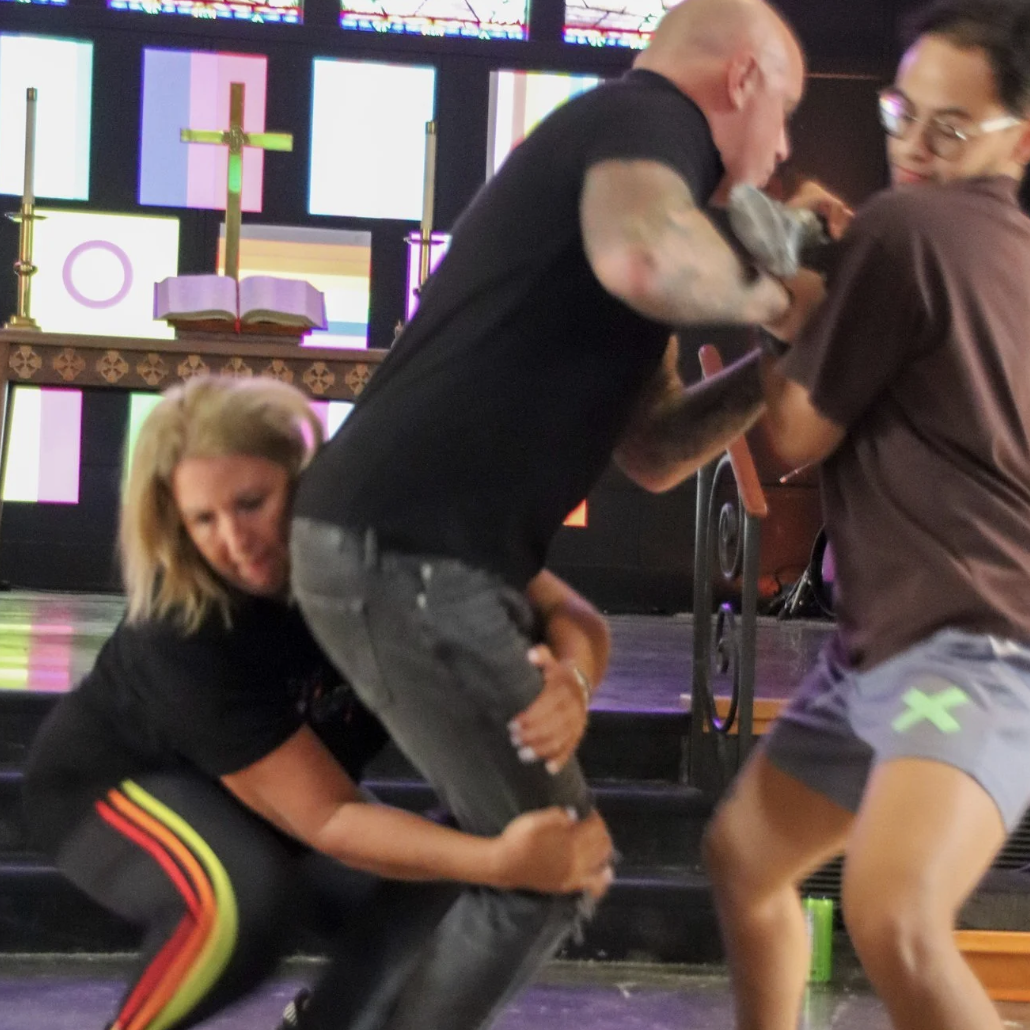
At Weapon Brand, we teach active shooter response, situational awareness, and crisis preparedness. We talk about movement, cover, communication, and decision-making under stress. We help teams build plans that are realistic and usable instead of theoretical and forgotten.
But for us, these aren’t abstract concepts or slides in a deck. They’re tied to real people, real venues, and real nights that changed lives. When we train a team, we’re thinking about the friends we’ve checked on, the families we know, and the places we ’ve danced, laughed, and made memories.
One of my last memories at Borderline is singing along at a LOCASH concert—crowd shoulder-to-shoulder, everyone relaxed and happy. That’s what I want people to keep experiencing: joy, freedom, and normal life.
We can’t erase violence from the world. But we can give people tools that make them harder to harm and more likely to survive. If tragedy ever shows up again at a bar, festival, campus, or workplace, I want the people in that crowd to have more than fear to work with.
I want them to know what to do. I want them to get home.
— Jamie Anderson