
Weapon Wisdom • Home Security
Holiday Home Security: The Complete Weapon Brand Guide
By Jamie Anderson • Nov 22
The holidays should feel like a time to relax, not worry about who’s watching your home. Whether you’re traveling or just out more than usual, a few simple upgrades can make your house a much harder target.
Below are fourteen practical ways to reduce your risk of a break-in, protect the people you love, and create real peace of mind this season.
-
Use a security system or at least visible signage.
A monitored alarm is ideal, but even a yard sign or window sticker tells a potential intruder your home won’t be an easy in-and-out. -
Leverage the “dog effect.”
A barking dog—real or clearly suggested—can be enough to push someone toward an easier, quieter target. -
Keep your place looking lived-in.
Don’t let mail, packages, or newspapers pile up. Ask a neighbor or friend to bring things in and park in your driveway while you’re away. -
Trim back hiding spots.
Overgrown shrubs, trees, and dense landscaping around doors and windows give cover to anyone trying to work on a lock or pry a window. -
Reinforce doors and windows.
Upgrade weak locks, consider door reinforcement plates, and use window locks or security film so glass is harder to breach quickly. -
Add smart lighting outside.
Motion-activated or scheduled lights at entry points and dark corners make it harder for someone to move around without being seen. -
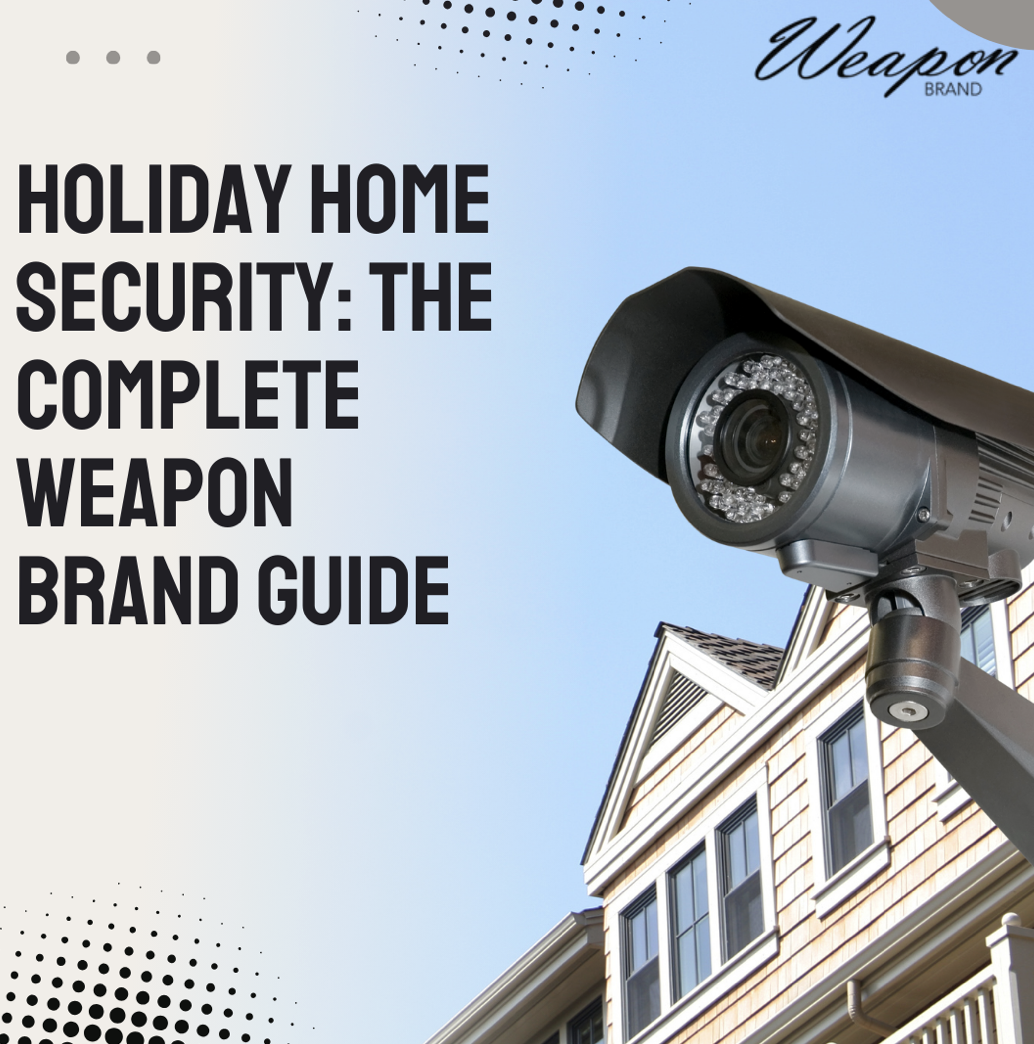
Use cameras for awareness and deterrence.
Visible cameras—or camera doorbells—extend your eyes and ears. You gain alerts, recordings, and a reason for intruders to think twice. -
Consider location-based risk.
Homes that are more isolated or sit on corners, alleys, or busy cut-throughs may need extra layers: lighting, cameras, and stronger physical security. -
Create the illusion that someone’s home.
Timers for lamps, visible TVs, music, and open/closed blinds patterns can all help sell the idea that people are inside—even when you’re not. -
Know your escape routes.
Walk your home and identify every way out: doors, windows, secondary exits. Talk through where you’d go and how you’d get there in an emergency. -
Train close-quarters self-defense.
If someone does make it inside, skills from programs like our close-quarters and home-defense training can help you respond under pressure. -
Get proper firearm instruction if you own a gun.
A firearm in the home is a serious responsibility. Seek professional training so you understand safe storage, handling, and when not to use it. -
Build a tactical mindset, not just a gear collection.
Learn to quickly assess situations, prioritize threats, and use positioning and distance to reduce an attacker’s advantage. -
Review your security regularly.
Set a reminder a few times a year to test alarms, replace batteries, walk the perimeter, and update any weak points you notice.
None of these steps require fear or paranoia—they’re simply proactive habits. The more layers you stack, the less attractive your home becomes to someone looking for an easy score.
This holiday season, combine practical upgrades with a prepared mindset. Pay attention to patterns around your home, talk through plans with the people you live with, and keep learning. Your safety starts long before a threat appears at the door.
— Jamie Anderson